
Last updated:
Welcome To Bequia Scuba Diving
Bequia offers world-class Bequia scuba diving in the heart of the Caribbean. This small island in Saint Vincent and the Grenadines sits just south of Saint Vincent itself. With a population of only 5,200 people, Bequia remains relatively undiscovered by mass tourism. The island spans just 18 square kilometers, yet it hosts incredible underwater ecosystems. You will find healthy coral reefs, abundant fish species, and pristine dive sites nearby. Most visitors arrive through J. F. Mitchell Airport, which offers convenient access to the island. The warm Caribbean waters welcome divers year-round, with temperatures averaging 27.6°C.
Bequia's diving culture emphasizes sustainability and respect for marine life. Local dive operators know these waters intimately and prioritize conservation. English speakers will find communication easy here, as English is the official language. The East Caribbean Dollar (XCD) is the local currency, though US dollars are widely accepted. Most nationalities enjoy visa-free entry, making travel planning straightforward. Whether you dive for the first time or have decades of experience, Bequia welcomes all skill levels.
Best Dive Sites in Bequia
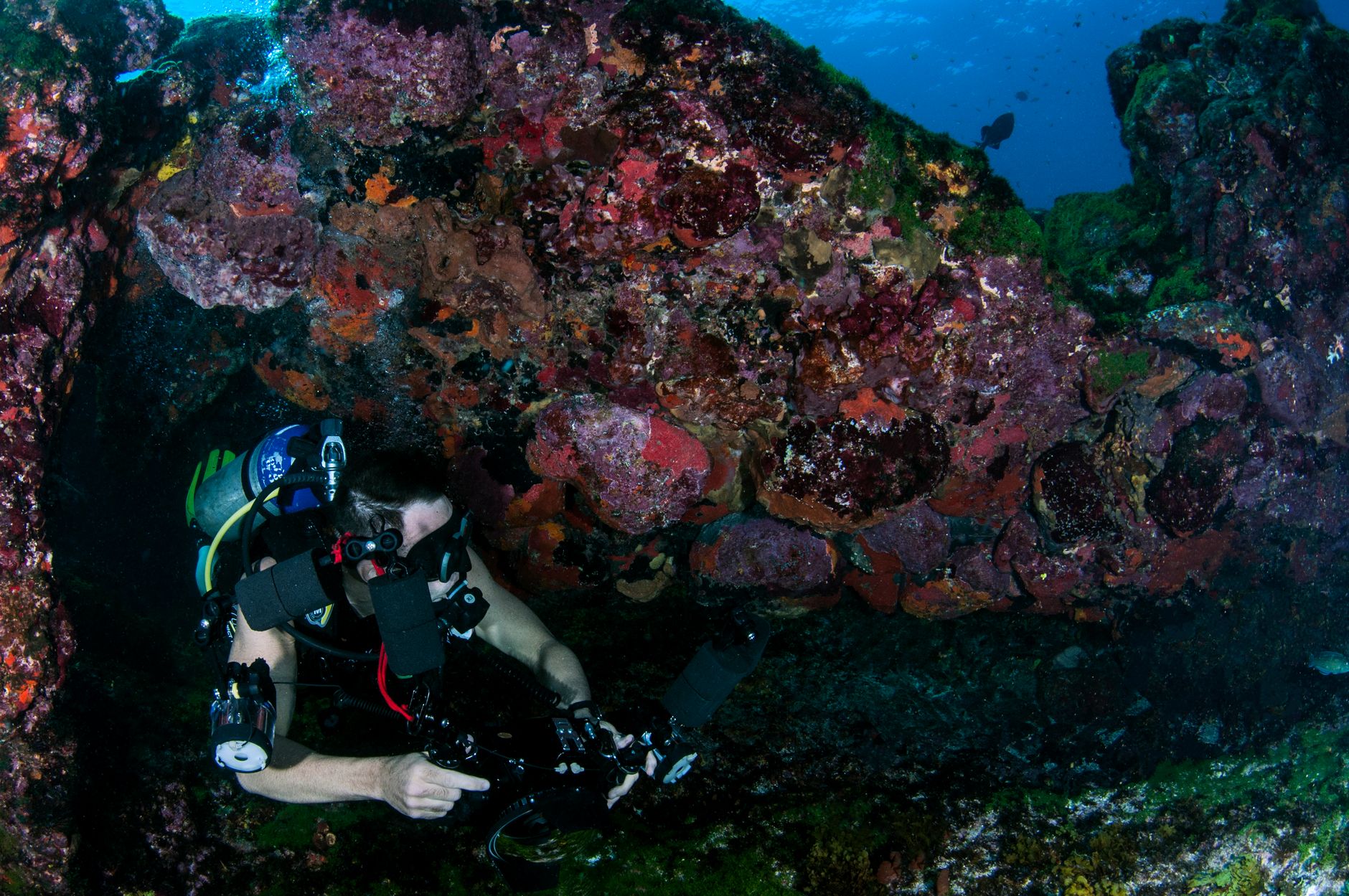
Bequia features several exceptional dive sites that attract divers from around the world. Each site offers unique characteristics, marine life, and underwater landscapes. The dive sites range from shallow reefs perfect for beginners to challenging deep dives for experienced divers.
Devil's Table
Devil's Table is one of Bequia's most famous dive sites. This underwater pinnacle rises from about 30 meters to 15 meters depth. You will encounter large schools of snapper, trevally, and grouper here. The strong currents make this site best for experienced divers only. Visibility typically reaches 25 to 35 meters on good days. The rock formations create dramatic scenery perfect for underwater photography. The site requires careful timing and planning due to current strength. Most dives at Devil's Table last 40 to 50 minutes.
Moonhole
Moonhole offers a completely different diving experience from Devil's Table. This site features a large underwater cave system with a dramatic entrance. The cave opens into a cathedral-like chamber filled with stunning rock formations. Divers can navigate through the cave safely with proper training and guides. Tropical fish congregate around the cave entrance in large numbers. The maximum depth reaches about 20 meters, making it accessible to intermediate divers. Moonhole rewards explorers with unique geological formations and excellent photo opportunities. The shelter of the cave protects divers from strong surface currents.
The Bullet
The Bullet is another popular dive site near Bequia's main diving area. This site features a sandy slope with scattered rock formations and coral patches. You will find garden eels, jawfish, and flatfish on the sandy bottom. The reef section hosts colorful parrotfish, wrasses, and angelfish. Maximum depth ranges from 15 to 25 meters depending on your chosen path. The Bullet suits intermediate divers well and offers excellent conditions most days. The site provides good shelter from wind and current variations. Night dives here reveal nocturnal species like octopus and squid.
PRO TIP: Book your dives the evening before to ensure spot availability. Many sites have strong currents that change throughout the day, so timing matters greatly for safety and enjoyment.
Scuba Diving for Beginners in Bequia
Beginning your diving journey in Bequia is an excellent choice. The island offers calm, sheltered sites perfect for training and confidence building. Water temperatures stay warm year-round, eliminating the discomfort of cold exposure suits. Local dive instructors have extensive experience working with nervous beginners. They understand common fears and address them with patience and professionalism. The dive schools here maintain excellent safety records and use modern equipment.
Your first Bequia scuba diving experience will likely be a confined water session and an open water dive. Confined water training takes place in shallow, calm water with minimal current. Your instructor will teach you basic skills like equalization and breathing techniques. Once comfortable, you'll progress to a shallow reef dive in 10 to 15 meters of water. Beginner-friendly sites like The Bullet and nearby reef areas provide excellent first dives. You will encounter colorful reef fish in their natural habitat. Most beginners report that their fears disappear once underwater. The beauty and calm of the reef environment captivates most new divers immediately.
Bequia's dive operators typically offer open water certification courses lasting three to four days. The instruction follows international standards from agencies like PADI, SSI, or NAUI. Your instructor covers essential skills including emergency procedures and equipment maintenance. Upon completion, you receive a certification card valid worldwide. Many beginners choose to extend their course vacation to enjoy multiple dives after certification. The small island size means all facilities and dive operators are easily accessible. No complex travel is needed between training sessions.
PRO TIP: Take your certification course early in your trip rather than at the end. This gives you extra days to do fun dives after training, reinforcing your new skills while enjoying the experience.
Snorkeling in Bequia

Snorkeling in Bequia offers incredible marine views without requiring certification or training. You can see colorful fish, sea turtles, and coral formations while staying at the surface. Many dive boats accommodate snorkelers alongside certified divers. Most operators charge reduced rates for snorkeling compared to scuba diving. The best snorkeling happens at the same locations where divers explore deeper below.
Princess Margaret Beach has excellent snorkeling directly from shore. You can walk into the water and encounter reef fish within minutes. The sandy entry prevents foot injuries common at rockier snorkel sites. Sea turtles frequently visit this area, especially in calmer months. You don't need a boat to snorkel here, making it budget-friendly. Bring your own snorkel gear or rent locally from several beach vendors. The water clarity typically allows 20 to 30 meters of visibility.
Lower Bay offers another great snorkeling alternative. This sheltered beach has calm water perfect for beginners and children. The reef starts just offshore and extends for several hundred meters. Colorful parrotfish and grouper swim among the coral heads. The beach has food-restaurants and facilities, making it convenient for full-day visits. Morning visits offer the best visibility before afternoon sediment stirring. The area stays protected from wind most days due to surrounding geography.
Snorkeling trips depart daily from the main dive operators. Half-day trips typically include three to four hours of water time. Full-day snorkeling excursions visit multiple sites and include lunch. The boats provide snorkel equipment, though bringing your own ensures proper fit. Wear reef-safe sunscreen to protect coral ecosystems. A lightweight rash guard prevents sunburn and offers minor coral protection. Even experienced swimmers should wear a snorkel vest for comfort and safety.
Dive Schools and Operators
Bequia hosts several reputable dive schools and operators offering quality instruction and guided dives. These businesses maintain high standards and prioritize diver safety above all else. Most operators have been in business for many years and employ experienced local guides.
Finding a Dive Operator
Several established dive operators serve Bequia's diving community. These operations employ certified instructors and maintain modern dive equipment. They offer certifications courses, guided dives, and equipment rentals. Most operators are located in Port Elizabeth, the main town on the island. You can easily walk to dive shops from the ferry arrival point. The friendly staff speaks English and will answer all your questions thoroughly. Many operators have websites showing their services, pricing, and available courses.
When choosing an operator, ask about their safety practices and instructor certifications. Verify that they maintain current insurance and equipment servicing. Ask how many divers they take per guide on each dive. Smaller groups receive more personalized attention and safer diving experiences. Reputable operators typically maintain a maximum of four to six divers per guide. The cost of diving in Bequia is reasonable compared to other Caribbean destinations. Single dives usually cost between 60 to 100 XCD, though exact prices vary seasonally.
What To Bring and Prepare
Most divers bring their own diving certification cards and log books. Operators require proof of certification before diving. If you don't have your card, bring any documentation from your training. Bring a copy of your medical history and current health status. Inform operators of any medical conditions, medications, or concerns. This helps them ensure your safety and recommend suitable dive sites. Bring dive logs if you have them, as operators appreciate this information.
Pack reef-safe sunscreen, a lightweight towel, and a change of clothes. The island doesn't have many shops selling diving-specific items, so bring replacements for worn equipment. Bring your prescription medications in original containers. The island has a small medical clinic but limited diving-specific medical care. Travel insurance covering diving activities is highly recommended. Ensure your policy includes evacuation coverage, as the nearest recompression chamber is on Saint Vincent.
PRO TIP: Arrive on Bequia at least one day before your first dive to acclimate to the island and rest from travel. This ensures you're properly rested for your diving activities and can enjoy the experience fully.
What You Will See Underwater
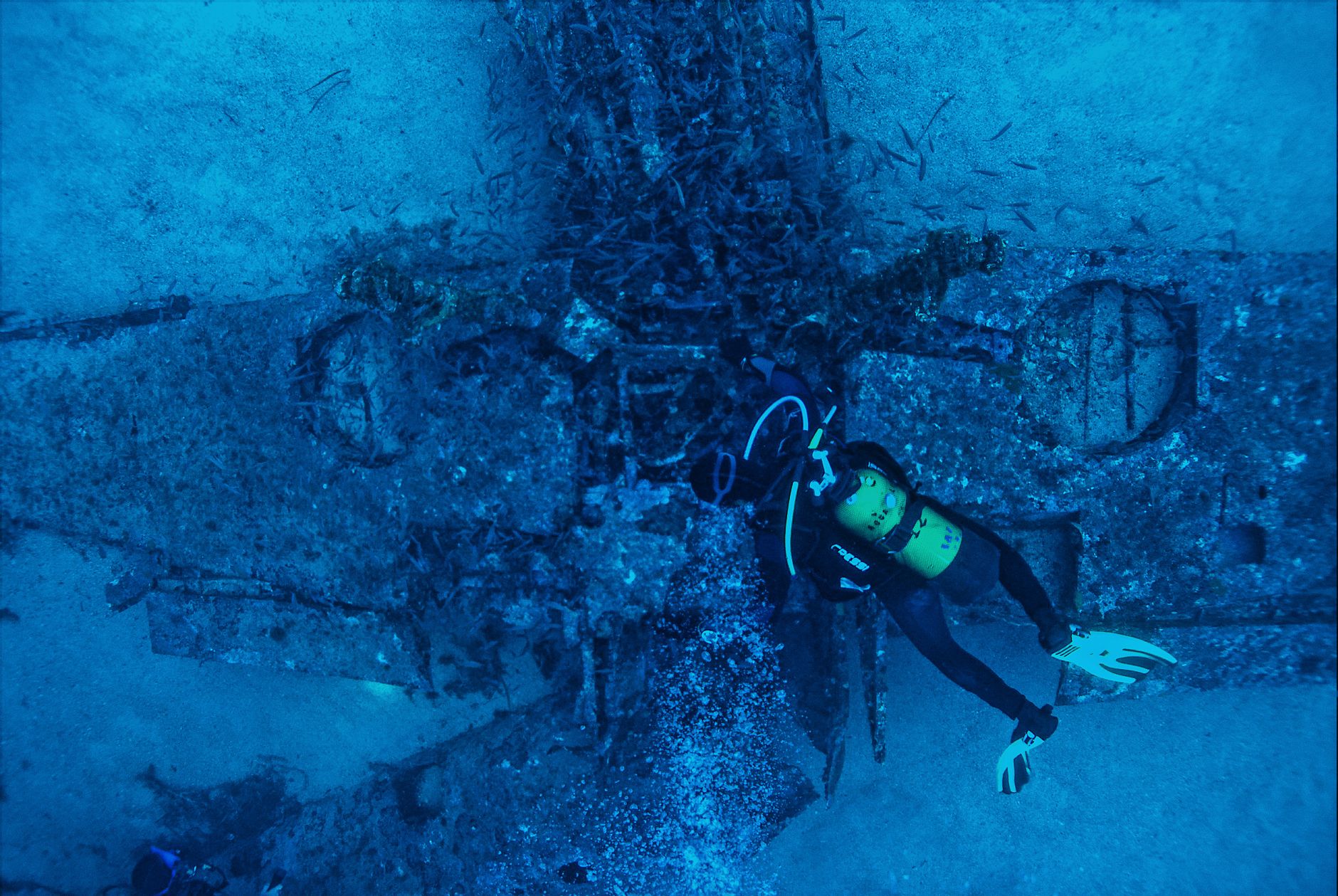
Bequia's underwater world hosts diverse marine ecosystems and abundant wildlife. You will encounter colorful fish, crustaceans, mollusks, and coral formations. The biodiversity here rivals some of the Caribbean's most famous diving destinations. Each dive reveals something new, even at familiar sites.
Fish Species
Reef fish dominate Bequia's underwater landscape in remarkable variety. You will see parrotfish in multiple sizes grazing on coral surfaces. These fish produce the sand that creates Bequia's beautiful beaches. Grouper species including red hind and yellowfin grouper hide in cave openings. Snapper schools numbering in the hundreds pass overhead on many dives. Angelfish and butterflyfish pick at coral polyps in pairs and small groups. Wrasses in vivid colors dart between coral heads searching for small prey. Goby species hide near the sand bottom displaying unusual behaviors.
Larger species occasionally appear on deeper dives and at specific sites. Jacks and trevally cruise the reef edges hunting smaller fish. Tarpon silhouettes sometimes glide overhead on drift dives. Reef sharks, primarily blacktip and nurse sharks, inhabit deeper areas. These sharks are typically shy and avoid divers. Barracuda occasionally patrol the reef looking for prey. Sea turtles visit certain areas, especially during feeding season. Spotted eagle rays occasionally glide gracefully across sandy areas.
Coral and Reef Structures
Healthy coral formations cover much of Bequia's dive sites. Brain coral colonies some meters across dominate many reef areas. Elkhorn coral patches provide shelter for numerous small fish species. Soft corals sway gently with surge and current movements. Sponges in various shapes and colors add complexity to the reef structure. Gorgonians fan-shaped coral species wave with water movement. Fire coral requires careful navigation but indicates a healthy reef ecosystem. The coral health here reflects successful conservation efforts over many years.
Other Underwater Life
Creatures beyond fish and coral complete the underwater ecosystem. Sea urchins cluster in reef crevices protecting themselves and the reef. Spiny lobsters emerge from caves at dusk. Octopuses hide during day dives but appear regularly on night dives. Brittle stars extend long arms from rocky surfaces. Feather stars cling to coral branches filtering plankton. Nudibranchs in striking colors creep slowly across coral surfaces. Sea cucumbers process sandy bottoms extracting organic material. Mantis shrimp display remarkable camouflage abilities. Night dives reveal entirely different species and behaviors.
Best Time To Dive in Bequia
Bequia offers excellent diving year-round, though certain months provide superior conditions. The dry season from December through May features the best overall diving. Water temperatures stay warm throughout, averaging 27.6°C. Visibility is typically best during the dry season months. Fewer rain events mean less freshwater runoff affecting water clarity. Calm days occur more frequently during this period. December through May represents peak tourist season, so book accommodations and dives early.
Seasonal Conditions
December and January offer ideal diving conditions with calm seas and excellent visibility. These months are the coolest part of the year, though still warm for diving. Holiday season crowds arrive during this time, increasing boat traffic. February through May continues the excellent dry season pattern. Water clarity remains high throughout these months. Prices for accommodation and diving tend to be slightly higher during peak season. Hurricane season runs June through November, though direct hits are uncommon. The rainy season brings afternoon thunderstorms but rarely cancels dive operations. Visibility decreases somewhat during rainy months due to runoff.
Late summer and early fall (August through October) sees fewer tourists and lower prices. Diving still occurs regularly during these months if weather permits. Seas can be rougher, and visibility may decrease periodically. Night dives during rainy season reveal amazing nocturnal activity. Many divers prefer the quieter atmosphere and personal attention from operators. The water temperature actually increases during summer months, reaching 28 to 29 degrees Celsius. Pack extra sun protection as the sun is more intense during this period.
Frequently Asked Questions

What Certification Level Do I Need for Diving in Bequia?
Most Bequia scuba diving sites accommodate beginner divers with Open Water certification. Some sites like Devil's Table require Advanced Open Water or equivalent experience. If you don't have certification, you can complete your course right on the island. Many beginners arrive uncertified and earn their certification during their trip. Operators offer PADI, SSI, and NAUI courses depending on the school. Choose a school based on your preferred agency and course schedule. Your certification is valid worldwide after completion.
How Much Does Diving Cost in Bequia?
Single recreational dives typically cost between 60 to 100 XCD per dive in Bequia. Most operators offer multi-dive packages at reduced per-dive rates. Open Water certification courses range from 350 to 500 XCD depending on the operator. Advanced certifications cost slightly less than Open Water courses. Equipment rental costs vary but typically run 10 to 25 XCD per item. Snorkeling trips are generally less expensive than diving at 40 to 70 XCD. Boat fees, guide fees, and equipment use are usually included in quoted prices. Ask for detailed pricing breakdowns when contacting operators.
Is Diving Safe in Bequia?
Bequia maintains an excellent diving safety record thanks to experienced operators and professional standards. All reputable dive shops employ certified instructors and maintain current insurance. Equipment receives regular servicing and inspection. The nearest recompression chamber is on Saint Vincent, just a short boat ride away. Most dives occur in relatively shallow water with minimal hazard exposure. Health risks are minimal in the warm waters. Respect local environmental rules and your operator's safety briefing to ensure safe experiences. Beginners receive proper training and supervision from qualified professionals.
What Medical Issues Might Affect My Ability To Dive?
Several medical conditions require clearance from a dive medicine physician before diving. Respiratory conditions like asthma may contraindicate diving due to pressure changes. Cardiac conditions, diabetes, and neurological disorders need professional evaluation. Ear and sinus problems can prevent safe pressure equalization. Pregnancy typically precludes diving to avoid fetal exposure to pressure changes. Recent surgeries require healing time before diving is safe. Take prescription medications only if approved by your dive operator and doctor. Never dive under the influence of alcohol or recreational drugs. Honest communication with your operator helps them keep you safe.
Can I Dive If I've Never Dived Before?
Yes, complete beginners can dive in Bequia through structured training programs. Discovery dives let you try diving with limited training in controlled conditions. Open Water certification courses teach everything needed for independent diving. These courses typically take three to four days to complete. Instructors work at your pace and never push beyond your comfort level. Many people overcome diving anxiety through professional instruction. Bequia's calm sites and patient instructors make it ideal for nervous beginners. Plan extra vacation days to continue diving after your certification course.